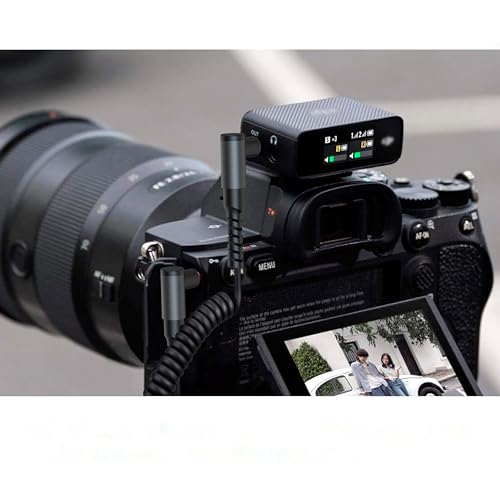
What matters when buying Reflex Camera
Types of Reflex Cameras
There are two primary types of reflex cameras: digital single-lens reflex (DSLR) cameras and mirrorless cameras. DSLRs use a mirror mechanism to reflect light from the lens to an optical viewfinder, providing a direct optical path for composition. Mirrorless cameras, on the other hand, do not have a mirror box and instead rely on electronic viewfinders or LCD screens to display the image sensor's output. Each type has its advantages; DSLRs typically offer better battery life and a wider selection of lenses, while mirrorless models tend to be more compact and lightweight.
Key Features to Consider
When selecting a reflex camera, several key features should be evaluated:
- Sensor Size: The size of the image sensor affects the camera's ability to capture detail and perform in low-light conditions. APS-C sensors are common in entry-level models, while full-frame sensors are found in higher-end options.
- Megapixels: While higher megapixel counts can lead to more detailed images, they are not the sole indicator of image quality. Factors such as sensor technology and lens quality also play significant roles.
- Autofocus System: A robust autofocus system is crucial for capturing sharp images, especially in dynamic situations. Look for models with multiple autofocus points and advanced tracking capabilities.
- Video Capabilities: Many modern reflex cameras offer video recording features. Consider the maximum resolution and frame rates available, particularly if video shooting is a priority.
- Viewfinder: The type of viewfinder can impact the shooting experience. Optical viewfinders in DSLRs provide a clear, real-time view, while electronic viewfinders in mirrorless cameras offer additional information overlays and can display exposure and focus peaking.
Portability and Accessories
Portability is an important consideration, especially for those who plan to carry their camera for travel or outdoor photography. Mirrorless cameras are generally more compact, which may be beneficial for users seeking a lightweight option. Additionally, consider the availability of accessories such as lenses, tripods, and bags that can enhance the photography experience. Investing in a sturdy camera bag that accommodates additional lenses and accessories can help protect the equipment while on the move.
Learning Curve and Usability
For beginners, the usability of a camera can significantly influence the learning process. Cameras with intuitive controls, guided modes, and user-friendly interfaces can help new photographers become familiar with the basics of photography. Some models offer tutorials or on-screen guides, which can be advantageous for those just starting out. It may also be useful to consider the availability of resources, such as manuals and online tutorials, that support learning and skill development.
Footnotes
* Terms such as "best" and similar expressions reflect our personal assessment.
** Prices and availability may have changed since they were last retrieved. The price shown by the seller at the time of purchase applies.
Further important information
We may receive a commission if you make a purchase via the links on our site. This has no impact on the placement of the products on our site. Our website is part of amazon associates program - Amazon, Amazon Prime, the Amazon Logo and Amazon Prime Logo are registered trademarks of Amazon, Inc. or its affiliates. Disclaimer: